

HFDI Strengthens HIV Treatment Continuity with Facility, Household Visits in Ede Under CDC ECEWS SPEED Project
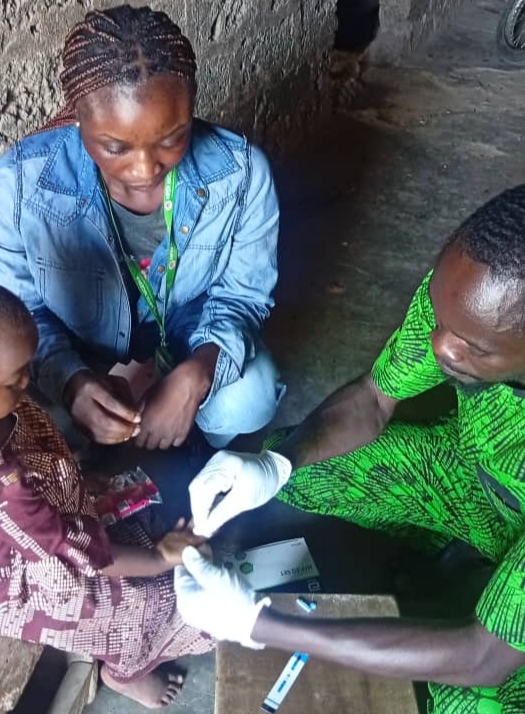
Efforts has been intensified by Hope for Family Development Initiative, HFDI, to improve retention and adherence among people living with HIV through facility and household supportive supervision in Ede, Osun State.
The activity, recently carried out was under the CDC ECEWS SPEED Project, implemented by HFDI, and targeted improved coordination between health facilities and communities to ensure no client is left behind in HIV care.
The HFDI Care and Support Officer, alongside Community Case Managers, began with a visit and engagement at Specialist Hospital, Ede.
During the engagement with healthcare providers, the team reviewed the treatment status of enrolled clients and discussed strategies to strengthen treatment adherence, client retention, and continuity of care.
Discussions also focused on challenges affecting client follow-up and how to improve service delivery for beneficiaries under the CDC ECEWS SPEED Project. HFDI said the visit was aimed at reinforcing coordinated case management for uninterrupted access to quality HIV treatment and support services.
Following the facility visit, the team proceeded to the homes of two Interrupted in Treatment, IIT, clients.
The household visits focused on identifying barriers to treatment, providing adherence counselling, psychosocial support, and encouraging the clients to return to care.
The team engaged both clients and their caregivers on the importance of consistent antiretroviral therapy, ART, use, routine clinic attendance, and sustained commitment to achieve viral suppression and better health outcomes.
The visits also allowed HFDI to assess home environments and social factors affecting adherence, while providing tailored solutions to address them.
As part of the household activity, the Care and Support Officer supervised the implementation of Household HIV Testing Services, HTS, by Community Case Managers.
HFDI stated that the supervision ensured testing and counselling were done in line with national guidelines and project standards, with emphasis on quality assurance, proper documentation, confidentiality, and effective pre- and post-test counselling.
HFDI noted that the combined facility and household engagement enhanced coordination between Specialist Hospital, Ede, and the community team, and improved follow-up mechanisms for beneficiaries.
“The engagement helped identify barriers contributing to treatment interruption among the two IIT clients. We were able to provide targeted counselling and support to encourage their re-engagement in care,” the organization said.
The initiative also strengthened the quality of community-based HIV testing by ensuring compliance with national protocols.
HFDI reaffirmed its commitment to delivering client-centred, equitable, and sustainable healthcare under the CDC ECEWS SPEED Project, with the goal of improving client retention and contributing to sustained viral suppression among people living with HIV.