
SRHR: SJN Trains Journalists and Content Creators, Urges Osun Govt to Provide Improved Accessible Healthcare to PWDs
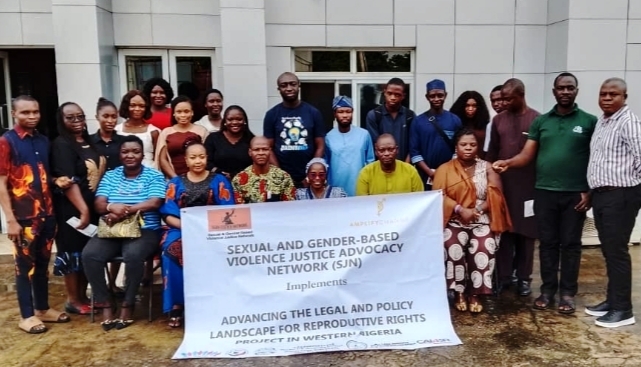
The Sexual and Gender-Based Violence Justice Advocacy Network, SJN, has trained journalists and content creators in Osun State on rights-based reporting of Sexual and Reproductive Health and Rights, SRHR, and Gender-Based Violence, GBV, while also urging the Osun State Government to provide improved and accessible healthcare services for Persons With Disabilities, PWDs.
The one-day training held in Osogbo in collaboration with the Community Advancement Initiative for Self-Reliance, CAISER, focused on ethical, evidence-based and stigma-free reporting of SRHR issues, including safe and legal termination of pregnancy, as part of efforts to reduce maternal deaths and protect the rights of survivors.
The SJN is a coalition of seven member organisations comprising women’s rights groups, women-led enterprises, media practitioners, and other stakeholders working to prevent SGBV, promote reproductive rights, and advance access to justice for survivors across Nigeria.
Organisers said the training was part of the Network’s commitment to strengthening media capacity to report SRHR issues accurately and responsibly, while amplifying the voices of marginalized groups, including PWDs, who often face barriers in accessing healthcare.
Speaking at the event, the National Coordinator of SJN, Jerome Uneje, said the media has a critical role to play in ensuring SRHR issues are reported through a human rights lens and in protecting the dignity of survivors.
“This training specifically is to make sure that SRHR issues are being reported ethically using the human rights lenses when you report these issues and particularly you need to protect the rights of survivors. Survivors here may be the survivors of SGBV particularly rape incidents, mental health and physical health issues,” Uneje said.
She noted that the media must also help highlight gaps in service delivery, including the challenges faced by PWDs in accessing reproductive health services, and call government to action.
Also speaking, the consultant for the training, Mr Olusola Olufemi Taiwo, urged journalists to familiarize themselves with the national guideline on safe termination of pregnancy, which has been domesticated in states including Osun, Ogun, Akwa Ibom and Anambra.
He said the guideline provides legal and medical grounds for accessing safe services in health facilities, and that increased public awareness through the media could help discourage unsafe practices that lead to complications.
Taiwo further emphasized the need for government to ensure that healthcare facilities are disability-friendly and that information on SRHR is made accessible to PWDs in formats they can understand and use.
Participants at the training, including journalists and content creators, pledged to use their platforms to promote ethical reporting and to advocate for inclusive health policies.
They called on the Osun State Government to invest in accessible health infrastructure, train healthcare providers on disability inclusion, and integrate SRHR education into public health programs to ensure that no one is left behind.
The organisers expressed hope that the engagement would lead to improved media coverage of SRHR and GBV issues and push for policies that guarantee equitable access to healthcare for all, including PWDs in Osun and across Western Nigeria.