

ACOMIN Urges Sustained Investment in Community-Led Monitoring as Global Fund GC7 Winds Down
By Shola Aderinto
Accountability of Civil Society on Malaria Control, Immunization and Nutrition, ACOMIN, has called on governments, the private sector, philanthropists and other stakeholders to sustain the gains of Community-Led Monitoring, CLM, as the Global Fund Grant Cycle-7, GC7, comes to an end in Osun state.
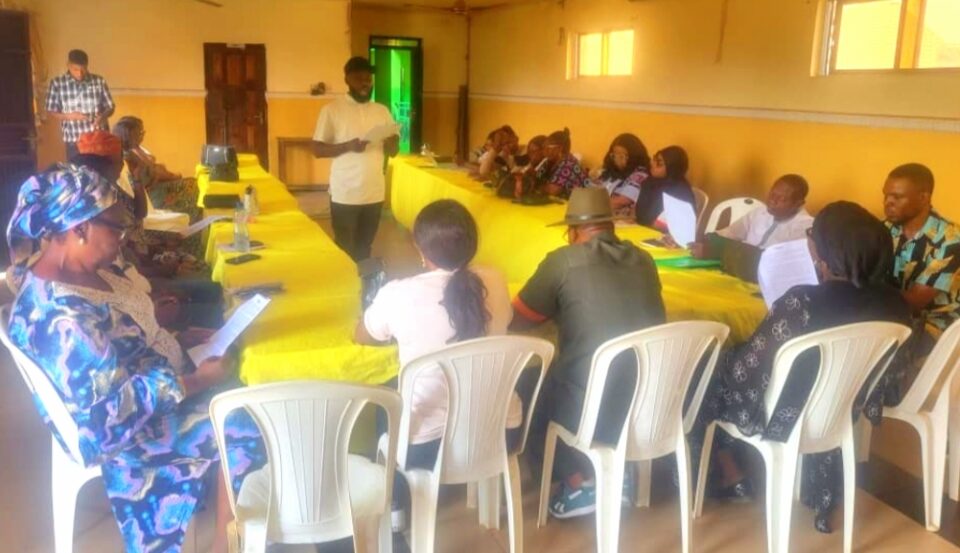
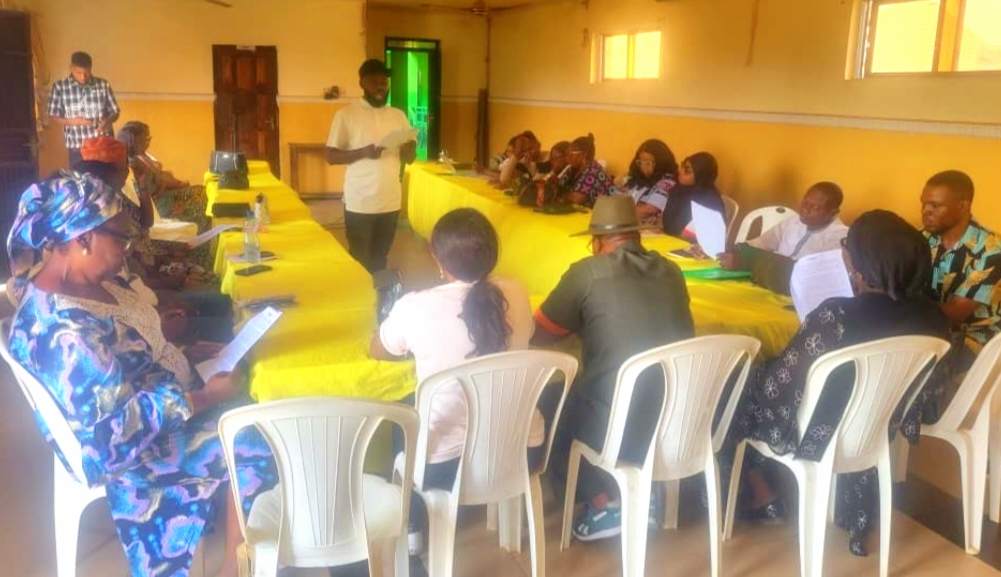
ACOMIN made the call in a brief presented at the Osun State Media Meeting on the Global Fund Integrated Community-Led Monitoring Project. The meeting was themed “Sustaining Community-Led Monitoring Achievements Beyond Donor Funding.”
According to the organisation, CLM empowers communities to identify gaps in health service delivery and advocate for solutions across HIV/AIDS, Tuberculosis and Malaria services.
It said the intervention, supported by the Global Fund over the years, has brought significant improvement in healthcare access, availability, acceptability, quality, accountability and outcomes, particularly for underserved and vulnerable populations.
ACOMIN cautioned that as Nigeria approaches the close-out of GC7, the gains recorded should not be lost, stressing that government investment, local resource mobilisation, tracking and continued community participation are essential to sustain them.
The brief disclosed that CLM interventions have also contributed to Domestic Resource Mobilisation across the country. Contributions were valued at approximately N1.7 billion across 13 states between 2019 and 2022. Between 2023 and 2025, contributions across 25 states and the Federal Capital Territory were valued at N657,864,950.00. In 2026, contributions across 13 states in Nigeria were valued at N379,245,034.83, including Osun state.
ACOMIN said the investments demonstrate the contribution of CLM to strengthening healthcare infrastructure, mobilising domestic resources and improving the capacity of healthcare facilities to deliver quality services.
In Osun state, ACOMIN said CLM supported community-led advocacy, stakeholder engagement and resource mobilisation to address identified service-delivery gaps. Key achievements listed include the recruitment of staff at Koola PHC and renovation of its leaking roof in Ife East LGA through CLMT efforts in Koola community, provision of consumables for Oloyede PHC in Ife East LGA, and facilitation of posting of official staff to ARO community health facility in Egbedore LGA.
Other achievements include posting of official staff to MDG Egbeda PHC in Boripe LGA, donation of consumables to Ibala community facility in Obokun LGA, commencement of payment of night guard for Algon PHC, Ilesa West LGA, through advocacy with Gboworin community stakeholders, and donation of consumables to Ibala Ijana community facility in Obokun LGA.
The organisation also listed provision of consumables for Gbomamu community facility in Irepodun LGA, provision of consumables and other essential drugs for Oore PHC in Boripe LGA, resolution of faulty toilet at Orinkiran PHC in Ilesa West LGA, resolution of Imole Corps issue at Ikotun PHC in Egbedore LGA, recruitment of Adhoc staff and procurement of essential drugs worth N250,000 at Ilawo PHC, Ejigbo LGA, and repair of faulty windows at Aato PHC, Ejigbo LGA.
ACOMIN urged state and local governments to prioritise health financing, integrate CLM evidence into health plans and policies, allocate domestic resources to improve health services and strengthen accountability structures.
It said state governments can make specific budgetary provisions for rehabilitation of healthcare facilities, provision of essential medicines and medical equipment, access to clean water and electricity, and recruitment or deployment of adequate health personnel, based on gaps identified through CLM reports.
Local Government Authorities were also urged to work with Primary Health Care Agencies and facility managers to address challenges affecting Primary Health Care Centres, including maintenance, basic supplies, improved sanitation and support for healthcare workers.
Communities, traditional and religious leaders, civil society and community-based organisations were urged to sustain monitoring, document challenges and engage decision-makers to resolve identified gaps. ACOMIN said community participation should complement, not replace, government’s responsibility to finance and deliver improved healthcare.
In its call to action, ACOMIN urged governments, the private sector, philanthropists and other stakeholders to sustain the gains made on health care improvement through resource allocation and action on community-generated evidence.
It said health agencies and facility managers should address identified gaps, while communities and civil society sustain engagement, advocacy and budget tracking. Development partners should provide financial and technical support, while the media amplify community voices and track commitments to improve health outcomes.
“The close-out of GC7 should be seen as a transition from heavy donor dependency towards local ownership and sustainability, not an endpoint,” ACOMIN stated.
It therefore called on all stakeholders to move beyond commitments to concrete actions that will protect the gains achieved, strengthen healthcare systems and guarantee continued access to quality, equitable and people-centred healthcare services for all Nigerians.
In his remarks, the ACOMIN state Chairman for Osun state, Ambassador Dr Aremu Stephen Akinyele, stated that community involvement remains central to the project, while noting that the work is carried out by community members, with ward representatives and community representatives supported by a program officer from each implementing CBO.
Appreciating Global Fund for the ACOMIN project implemented in Osun state, Dr Akinyele added community members will continue monitoring and providing support, and a sustainability committee has already been set up in each facility to continue the activities.
Speaking on government partnership, he said ACOMIN has a good working relationship with both the state and local governments. He added that despite the current situation with local government administration in Osun State, career officers in the local governments, the Primary Healthcare Board, the Ministry of Health and other agencies have been engaged.
The State Programme Officer, SPO David Amoto thanked the Community Based Organisations for service delivery, he lauded the team’s work and consistency and urged them to continue monitoring the facilities for the benefit of health delivery to the people.
The meeting commended and charged the stakeholders for sustenance of the existing programmes in the selected local governments Primary Healthcare centres, under the Global Fund Grant Cycle 7, and called for increased government investment and local ownership of community health monitoring structures.