

Global Fund Integrated Services, SRHR and Communicable Disease Project: Jhpiego, HFDI Applaud Kwara Communities for Recording Gains
The implementing partners of the Advancing Integrated Health Services Delivery for Sexual and Reproductive Health and Rights and Communicable Diseases Project have applauded communities in Asa, Moro and Offa Local Government Areas of Kwara State for driving remarkable results in health service uptake and community participation.
The project, funded by The Global Fund and implemented by Jhpiego in partnership with Hope for Family Development Initiative, HFDI, with support from NASCP of the Federal Ministry of Health, disclosed in a briefing that the intervention surpassed targets across all key areas. A total of 22,481 community members accessed sexual and reproductive health services against a target of 10,264, representing 219 percent achievement.
The Press briefing also revealed that Cervical cancer awareness also recorded a major leap with 22,788 women sensitized, surpassing the 5,235 target and achieving 435 percent.
Jhpiego and HFDI noted that 8,073 adolescents and young people were reached with information on available SRH services against a target of 2,361, representing 342 percent.
The partners also reported 154 peer network sessions, 88 CSO coordination meetings, 90 monitoring visits including community-led monitoring, and 88 community-led advocacy initiatives. In addition, 19,042 community members participated in SRHR dialogues and events, while 91 community-led initiatives addressing SRHR needs were documented.
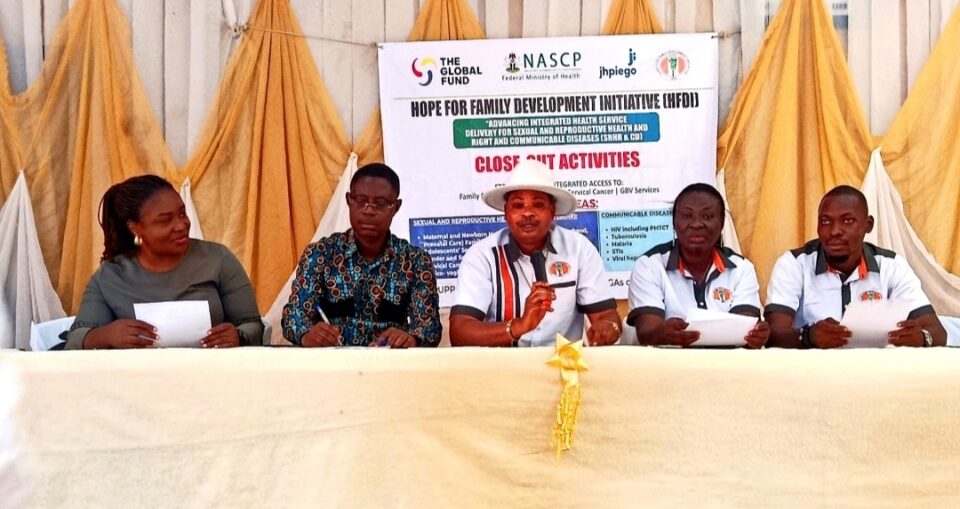
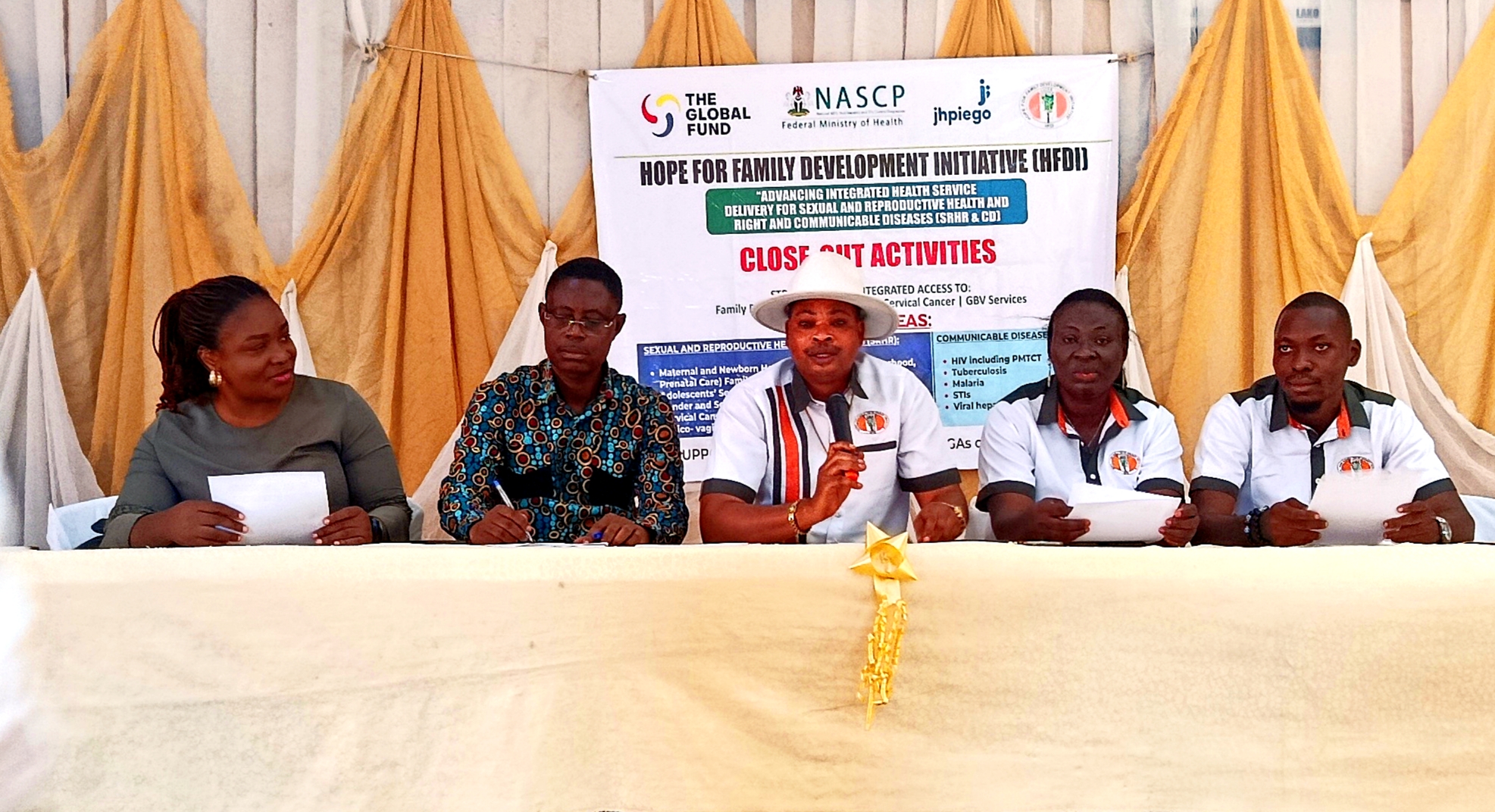
Speaking at the briefing, representatives of the implementing organizations, which include the Jhpiego State Team Lead, Mr Williams Awotunde, HFDI Executive Director Ambassador Dr Aremu Stephen Akinyele, attributed the success to strong community ownership and collaboration with Ward Development Committees, CSO networks, healthcare providers and government institutions.
They said the results show that when communities are engaged to identify service-delivery gaps and advocate for solutions, access to respectful and integrated healthcare improves significantly.
The Global Fund, through its partners, reiterated its commitment to integrated service delivery that addresses stigma, rights abuse, gender-based violation and discrimination among target populations.
Despite the gains, the partners acknowledged ongoing challenges such as limited availability of some essential health commodities, incomplete referrals, financial barriers and variations in service uptake. They called for sustained collaboration among government, healthcare facilities, civil society and community leaders to maintain momentum.
As the project approaches close-out, Jhpiego and HFDI emphasised that sustainability must be prioritized through continued use of existing health and community structures for referral reviews, data validation, mobilization and monitoring.
They urged Ward Development Committees, CSO networks and healthcare providers to sustain sensitization efforts, including media engagement, to address stigma and promote timely access to services.
The partners expressed appreciation to The Global Fund, NASCP, the Kwara State Ministry of Health, local government authorities, healthcare providers, community leaders and the media for their support. They also commended the people of Asa, Moro and Offa for their participation.
The implementing organisations concluded that the project’s close-out should mark a transition to stronger local ownership rather than an end to collective responsibility, and pledged continued advocacy to ensure women, adolescents, young people and other community members retain access to appropriate, respectful and integrated health services.