

DESPITE ECONOMIC HARDSHIP, NIGERIANS SPEND ₦1.54 TRILLION ON BEER IN NINE MONTHS
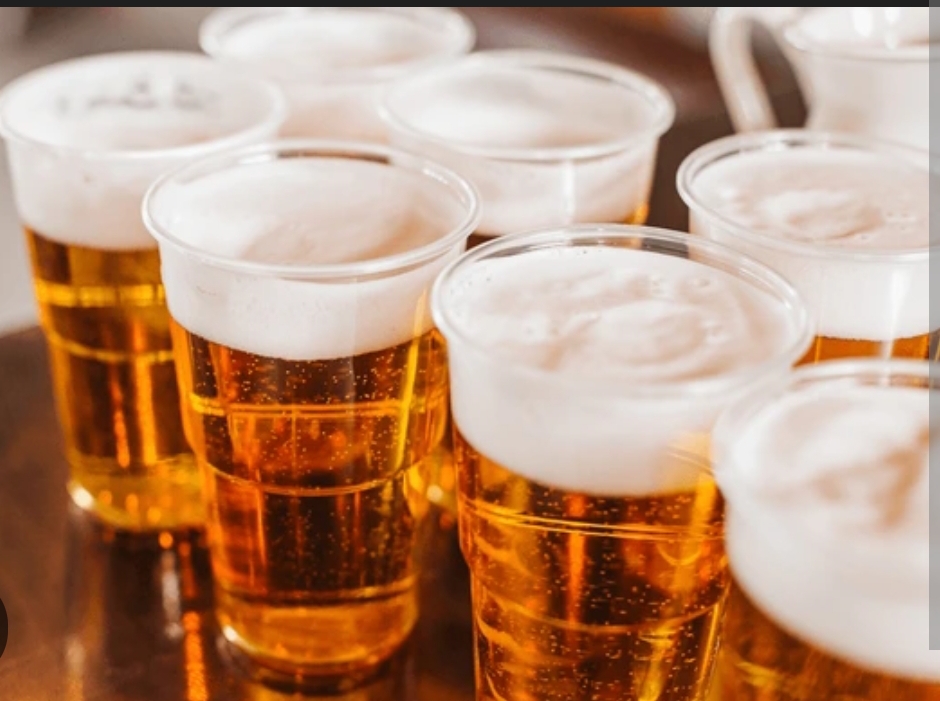
Amid persistent inflation, rising living costs, and widespread economic challenges, Nigerians collectively spent an estimated ₦1.54 trillion on beer and other non-alcoholic beverages in the first nine months of 2025, according to financial results from the country’s major listed brewers.
An analysis of unaudited reports filed with the Nigerian Exchange Limited reveals that three key players—Nigerian Breweries Plc, International Breweries Plc, and Champion Breweries Plc—generated a combined revenue of over ₦1.54 trillion from January to September 2025. This figure is widely viewed as a proxy for consumer spending on brewery products during the period, as these companies dominate the formal beer and soft drinks market in Nigeria.
Nigerian Breweries Plc, the market leader, led the pack with net revenue of ₦1.05 trillion, marking a substantial 48% increase from ₦710.87 billion recorded in the corresponding period of 2024. The company’s cost of sales stood at ₦631.23 billion, yielding a gross profit of ₦415.15 billion.
International Breweries Plc followed with ₦472.57 billion in revenue, up from ₦343.45 billion the previous year, while Champion Breweries Plc posted ₦21.44 billion, compared to ₦14.02 billion in 2024. All three companies returned to profitability after recording losses or marginal gains in the prior period, highlighting the sector’s resilience.
The strong performance comes despite significant headwinds, including foreign exchange volatility, high input costs (such as malt, barley, and packaging materials), and reduced consumer purchasing power due to inflation and naira depreciation. Nigerian Breweries, for instance, reported foreign exchange losses of ₦160.5 billion in the period, a sharp rise from ₦86.8 billion the year before.
Industry observers attribute the sustained demand to the cultural and social role of beer in Nigeria. Beer remains a staple at social gatherings, celebrations, and relaxation, even as many households tighten budgets. The inclusion of non-alcoholic beverages in the revenue mix also reflects growing sales of soft drinks, malt-based products, and energy drinks produced by these brewers.
“This figure underscores the enduring appeal of brewery products in Nigeria, even in tough economic times,” noted analysts reviewing the results. The sector’s recovery is further supported by strategic investments, such as AB InBev’s expansion efforts following its acquisition of International Breweries, including new production facilities to boost capacity and distribution.
However, the headline number has sparked mixed reactions online and in public discourse. Some commentators express concern over spending priorities, with one social media user remarking, “₦1.54 trillion on beer while people struggle with food prices, priorities?” Others defend the industry as a major employer, tax contributor, and source of economic activity.
The brewery sector employs thousands directly and supports millions indirectly through farming, logistics, retail, and hospitality. It also remains a significant revenue source for government through excise duties and value-added tax.
As Nigeria navigates ongoing economic reforms and cost-of-living pressures, the beer market’s performance signals that certain consumer habits remain resilient. Whether this trend continues into 2026 will depend on factors such as inflation control, exchange rate stability, and potential shifts in consumer behavior toward more affordable or non-alcoholic alternatives.
For now, the numbers confirm one thing: despite the hardships, Nigerians are still raising a bottle or a can to mark life’s moments.
#milestonenews